BETA AGM & Business Summit
“MAKE DOING MORE NETWORKING YOUR NEW YEAR’S RESOLUTION”
22nd December, 2025
22nd December, 2025
The British Equestrian Trade Association (BETA) has launched a new way of collecting and recording information relating to accidents and injuries. The new Rider Accident & Equipment Reporting Form, which is available to anyone experiencing an accident and injury around horses, is part of the association’s continued drive to help make equestrian sport safer.
The Rider Accident & Equipment Reporting Form, launched at Your Horse Live, can be accessed via a web link or by QR code, which will be widely published both through BETA retail members, equipment manufacturers and on social media. The QR code is quick to scan from a phone, helping to make it more accessible to busy riders. The form is also easy fill in and allows BETA to collect additional information surrounding accidents to help inform design and protection development of safety equipment moving forward.
“A better understanding of what happens to our hats and body protectors during an accident is key to being able to both design better and safer equipment as well as feeding into the safety standards that determine how these garments perform,” said Claire Williams, Chief Executive of BETA. “The data collected through this questionnaire will provide invaluable insights contributing to this understanding, and help us, along with our trade members, continue to innovative in the space to help keep riders across all sports safer.”
The survey asks people to provide detail around any accident that they were involved in, and, if possible, supply images or video of the helmet and/or body protector worn during the accident itself.
“There’s a real paucity of true data when it comes to equestrian industry,” said Dr Diane Fisher, BETA’s Chief Medical Officer. “It’s so important to get this data as we can feed it back into industry, to the manufacturers so that they can use it to help further improve what they do, as a basis for our safety equipment going forward.
“It also allows us to research injury in real time. If we are picking up certain injuries and trends, it allows us as BETA to step in and campaign at the time, which makes more sense than working on the back foot.
“We all accept that horse riding has real dangers attached, however using the protection available correctly can mitigate and minimise these risks. As equestrians we all have a responsibility to keep ourselves fit, healthy and injury free, not only in our own best interests but also in the interests of these very special animals we are lucky enough to spend time with.”
Link to the form: .https://bit.ly/3xo6P3V
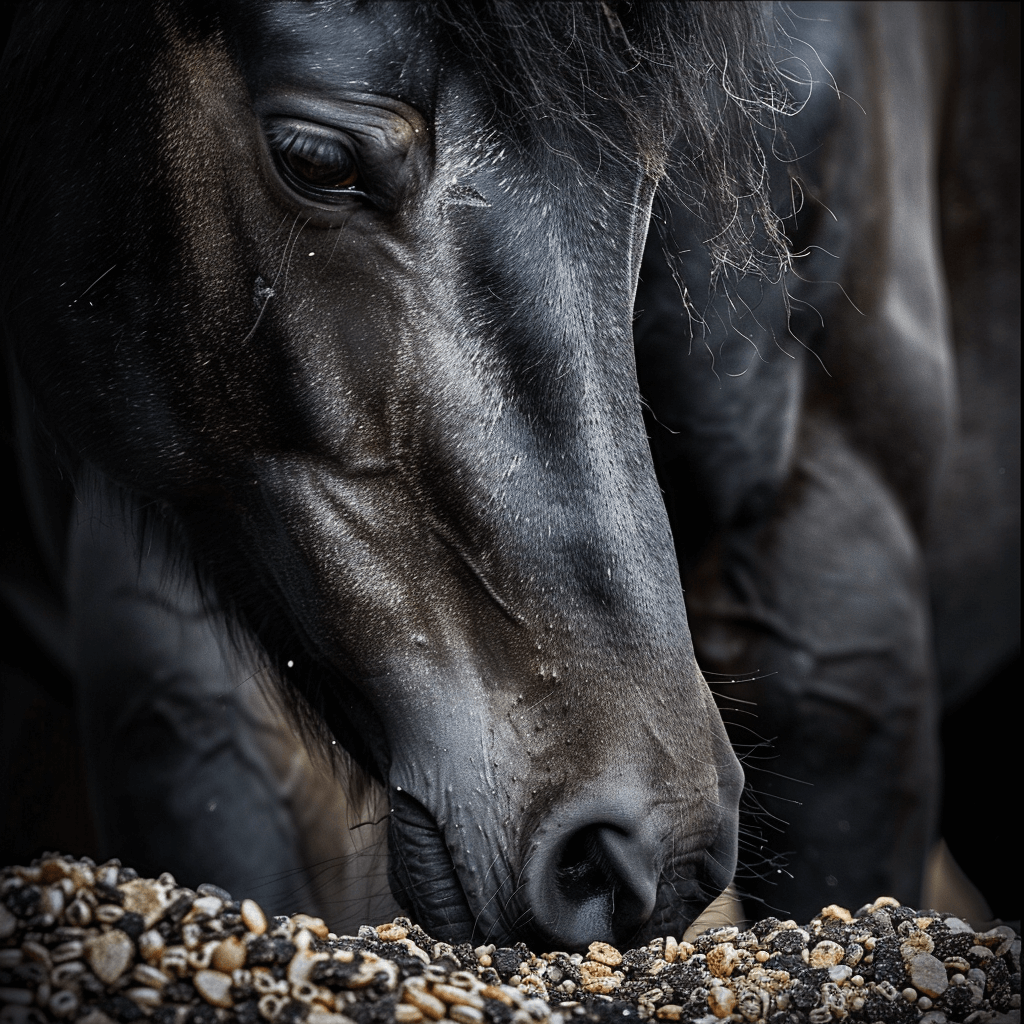
The British Equestrian Trade Association (BETA) is launching its spring Feed Fact Fortnight on 1st April, and there’s plenty of opportunities for horse owners to get involved, learn, and bag themselves some amazing prizes from the leading names in the feed industry.
The fortnight will have a general focus on obesity in horses and how we as horse owners can look to address this from a feeding point of view. In addition, other relevant content will be shared by brands, helping to support horse owners as they move through spring and into summer.
“We know, as horse owners ourselves, that the feed space can be quite a challenging one to navigate, and that’s why we believe these Feed Fact Fortnights are so important,” said Claire Williams, Executive Director of BETA. “We all want to do the best for our horses, and part of that is understanding equine nutrition, whether it’s the basic rules of feeding that help to prevent some issues in horses or being able to decipher what the back of a feed bag means. We are lucky to have the support from the leading feed brands in the industry, and their willingness to share their knowledge, get involved with Lives where they’ll answer questions in real time, as well as their support through amazing prizes is so appreciated.”
Feed Fact Fortnight will involve many leading brands, but the main places to get involved with the competitions and see the content as it’s released is through BETA’s social media.
“We want this information to be as accessible as possible, easy to share, and to help as many people as we can, so we focus on social media for these campaigns. I’d encourage anyone who wants to improve their knowledge and win some fabulous prizes to follow us on Instagram and Facebook.”
For more information, like BETA’s Facebook Page at www.facebook.com/betaequestrian and follow on Instagram at www.instagram.com/beta_equestrian/. For more information on BETA, see www.beta-org.uk
The British Equestrian Trade Association’s (BETA) Summer of Safety has begun, providing lots of opportunities for equestrians to learn, win prizes, and help keep themselves and their horses a whole lot safer.
The campaign is now in its third year, starting in 2021, and retains the clear objective of helping to keep equestrians and their horses safer in all activities. BETA is working with its trade members and aligned professionals on a calendar of content including lives and video around this, as well as providing a host or brilliant prizes sharing latest innovations.
“We are delighted to be running the Summer of Safety for 2023, and have bigger plans than ever before,” said Claire Williams, Executive Director of BETA. “This includes in person events as well as lives and content through social media, but we also have huge support amongst the trade meaning that if you visit any of our members during the summer, you could well see some Summer of Safety bunting and information as it’s a cause close to so many hearts.”
The idea behind the Summer of Safety came about in a bid to help demystify safety through providing more information around hats and standards alongside real stories that bring it to life and allow the community to learn from one another.
“The campaign is not to scare people, far from it. Through educating ourselves and sharing stories, we can all understand how we can reduce risks to keep everyone safer. Over the last two years we’ve had people like Paul Tapner share his story with us about his fall, and the impact that had was huge. We’re also very lucky to have our Chief Medical Officer, Dr Diane Fisher, on hand to support the campaign by providing insight and experience from the point of view of a medical professional.”
To find out more about BETA’s Summer of Safety, see www.beta-uk.org
To get involved with the competitions and other news during the campaign, make sure you follow BETA on Facebook https://www.facebook.com/betaequestrian and Instagram https://www.instagram.com/beta_equestrian/
Study into African Horse sickness is a winner for BETA Equine Thesis of the Year
Alice Goff is the winner of the 2024 BETA (British Equestrian Trade Association) Equine Thesis of the Year Award with her dissertation: Prognostic Indicators for survival in Horses with African Horse Sickness.
The Royal Veterinary College graduate investigated prognostic indicators that are associated with survival from this devastating disease and identified successful therapeutics that might improve survival in horses infected with AHS.
Alice will receive a trophy and cash prize after four finalists presented their theses to a panel of judges during an online event on Sunday, 27 October.
Alice was thrilled and honoured to have been awarded the BETA Thesis of the Year Award. “It is a remarkable recognition of my dedication, hard work, and passion for equine nutrition research,” she commented. “My thesis represents not only a personal achievement, but also a significant contribution to both the academic and wider equestrian community as we try to make breakthroughs in combatting equine obesity without neglecting psychological welfare. This award inspires me to continue pushing the boundaries of knowledge, in particular the practical application of that knowledge, and I am excited to see how the research will continue to evolve in the future”.
“Real world impact”
The judges praised all four 2024 BETA Thesis of the Year finalists for their practically applied topics of real relevance to the equine industry.
“The judging panel would like to congratulate each of the finalists on the successful completion of their dissertation. During the competition their presentations allowed them to elaborate on their written work and bring their research to life,” said Dr Georgina Crossman who headed the four-strong judging panel.
“The selection of Alice as the winner was a unanimous decision by the judging panel. Her dissertation was well written, concise and professionally presented. Its outcomes have real life application and could directly impact horse welfare.”
This is the ninth year BETA has run the competition which recognises the best in undergraduate study across the UK and Ireland. An international audience from the public, industry and academia watched the finalists’ presentations online.
Universities and colleges offering equine-related degrees are each invited to submit one undergraduate dissertation entry for the annual BETA Equine Thesis of the Year.
Following preliminary judging, the following made it through to Sunday’s final:
The judges were Dr Georgina Crossman – a research consultant and owner of GK Crossman Consultancy; Dr Katie Williams – the technical and product development manager at Dengie; Sarah Jenkins – Editor-in-Chief, Horse and Hound; and Jack Day, Veterinary Surgeon with Rossdales specialising in thoroughbred racehorses.

Tel: +44 (0)1937 587 062
Fax: +44 (0)1937 582 728
© Copyright 2025 British Equestrian Trade Association
Website Designed by ULTRALUXE Design ™